

Cognitive Decline Reversal at Scale
Delivering outcome-based care for the most complex — and most underserved — patient population. Get direct access to Seth Conger, COO of Freedom Practice Coaching, as he breaks down exactly how to build and scale this program in your practice.

“You are not selling. You are offering the only real option to people who already know they need one.”
A 9-month program at $30,000 represents less than 10% of the low-end cost of allowing cognitive decline to progress.
The demand is built in. The urgency is built in. The alternatives are failing.
The patient sees themselves slipping. The family watches it happen. Nobody needs to be convinced this matters.
Watching a loved one lose themselves is the most visceral fear in medicine. Urgency is already built in.
This is the only generation in history entering cognitive decline with meaningful retirement assets. The money exists.
Lecanemab addresses one pathway while 35 others keep driving decline. “Nothing we can do” is still the standard answer.
Cognitive decline is a 36-factor disease.
Dr. Dale Bredesen’s research identified 36 distinct drivers — inflammatory, metabolic, hormonal, toxic, nutrient, structural, infectious, genetic, and lifestyle. An episode of care must assess for all of them and address each in priority order.
Not one pathway at a time. Not the most obvious one. All of them.
Pharmaceuticals target isolated pathways while the other drivers continue unchecked.
Diet alone, exercise alone, or supplementation alone cannot address the full network of contributors.
No single clinician has the bandwidth to support this at scale. It’s a team sport.
Every family is buying coordination as much as clinical care.
The patient can’t always self-advocate. The caregiver is running on empty. The protocol has dozens of moving parts. If the practice doesn’t coordinate it, nobody will. The program is the product — not the provider, not the supplement, not the lab.
Clinical direction, protocol design, and lab interpretation across all 36 factors. Approximately $6,000 of physician time is dedicated to each patient’s unique case.
The white-glove backbone — single point of contact for the caregiver, weekly touchpoints, and continuous compliance tracking throughout the 9-month arc.
Sleep medicine, dentistry, neurology, imaging, and genetic counseling — contracted or networked to fill the clinical gaps.
A Cognitive Decline Reversal Program is not expensive. Progression is expensive.
The journey from MCI to advanced dementia and memory care costs a typical family between $545,000 and $1.27 million over 8–10 years. Medicare and private insurance do not cover these costs. The financial weight falls directly on the family.
When the program is designed correctly, every goal reinforces the others.
Preserved cognition and more time — functioning, present, and recognized — with the people they love.
Relief, a concrete plan, and hope that doesn’t evaporate at the six-month mark when compliance gets hard.
A financially sustainable program that treats a complex disease correctly — and proves it with objective data.
The program is the product. Not the provider. Not the supplement. Not the lab. Every touchpoint that reassures a family, every objective re-test that shows the plan is working — profit follows outcome.
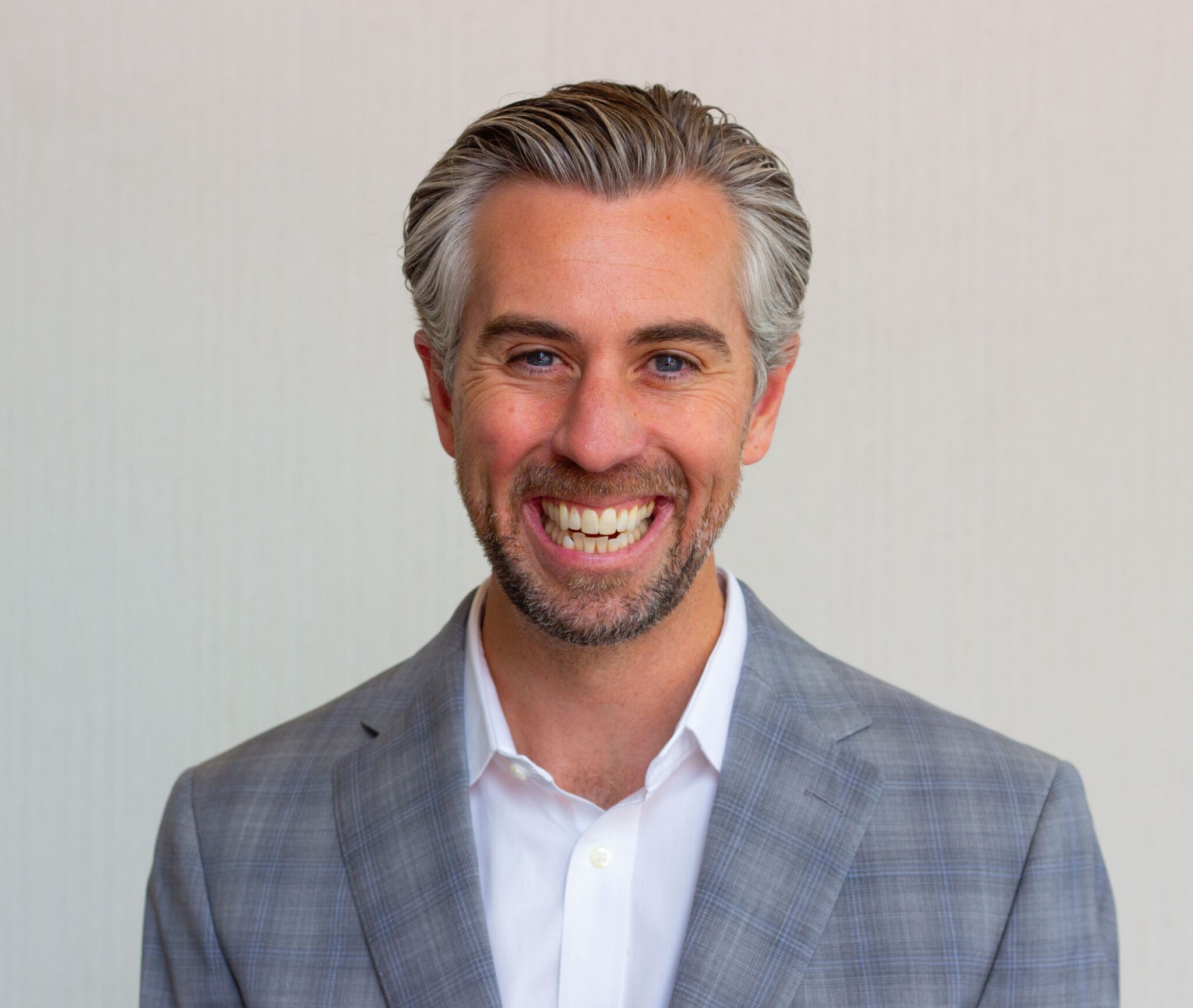
Seth Conger
Seth has spent his career building the operational systems that let functional medicine practices deliver complex, multi-factor care without breaking. He’s a contributing author on the peer-reviewed case series Reversal of Cognitive Decline: 100 Patients, published in the Journal of Alzheimer’s Disease & Parkinsonism. At Freedom Practice Coaching, he helps clinics turn the Bredesen-style protocol into a coordinated, financially sustainable program — the orchestration that this webinar breaks down step by step.
Published in J. Alzheimer’s Dis. & Parkinsonism →Enter your email to get instant access to all three resources
Full session — watch at your own pace
All slides — shareable with your team
The complete patient journey framework
Get the recording & the full asset kit
Enter your details for instant access to the webinar recording, presentation deck, and Brain Health Journey Map.